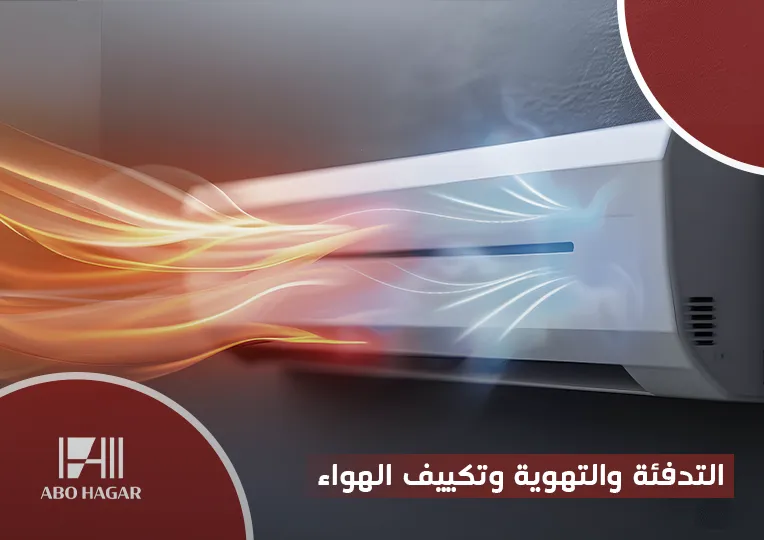
The article discusses the concept of heating, ventilation and air conditioning (HVAC), its components and types, and its importance in providing a comfortable and healthy indoor environment, while clarifying the role of modern heating systems.
When talking about the comfort of residential and commercial buildings, the concept of heating, ventilation and air conditioning (HVAC) stands out as the most important engineering systems for managing the indoor environment. This system combines heating, ventilation, and air conditioning to provide a healthy and stable climate. But it is not just a device, but a broad engineering framework; While summer focuses on central air conditioning systems, winter requires customized solutions that ensure balanced central heating and cooling without drying out the air.
Here the difference between the comprehensive concept and the experience of specialized companies appears when designing HVAC systems for large villas.
In this regard, Abu Hajar Company is at the forefront as an engineering partner that provides European heating solutions (radiators, underfloor heating, and Warm Home stoves) to provide luxurious, safe, and economical warmth for your family.
Abu Hajar Company and the heating, ventilation and air conditioning (HVAC) system?
In order to clarify the vision accurately, the term HVAC is a large engineering umbrella that includes three basic parts: Heating, Ventilation, and Air Conditioning.
In traditional markets, most companies focus entirely on cooling and designing central air conditioning systems to serve the summer months only, while neglecting the real winter requirements.
Here, specifically, the role of Abu Hajar Company appears. We do not compete in selling summer cooling devices. Rather, we took the first and most important aspect of winter comfort, which is heating (H-Heating), and we absolutely specialized in engineering it to provide you with the purest European alternative.
When designing HVAC systems for villas and luxury projects, experts integrate our solutions into... Central heating and cooling, so that each party can work in its designated field. Traditional air conditioners take care of cooling in the summer, while the Abu Hajar system (via radiators, underfloor heating, and Warm Home stoves) takes charge of the entire winter, ensuring you healthy and silent heating without dry air, and providing an integrated solution that raises the efficiency of air conditioning and ventilation of buildings to unprecedented levels of energy-saving luxury.
How do integrated HVAC systems help you achieve the highest levels of comfort inside your building?
HVAC systems are the complete engineered solution for indoor climate control, combining winter warmth, air renewal and year-round temperature control. As the needs of each building differ, the design of the HVAC system depends on studying space, thermal insulation, and the nature of use to reach the highest operational efficiency.
The most important benefits of designing a suitable HVAC system for the building:
-
Providing a balanced distribution of heat within all spaces instead of relying on heterogeneous heating solutions.
-
Improving indoor air quality through continuous ventilation and air renewal systems.
-
Reducing energy consumption by choosing devices appropriate to the building's actual loads.
-
Intelligent temperature control for each room according to use and need.
-
Raising the level of comfort within villas, residential and commercial projects through specially designed solutions.
Components of heating, ventilation and air conditioning systems
The success and sustainability of any mechanical system depends on the precise technical integration of several basic elements that work together in harmony to ensure a pure and comfortable living environment. The design of HVAC systems naturally varies depending on the nature of the building, the number of users, the total area, the quality of thermal insulation, and special luxury requirements.
Heating Systems
In HVAC systems, heating systems are the part responsible for raising the temperature of the building in the winter and ensuring the health of your family. While traditional systems rely on blowing hot, dry air through air conditioning, they are unique Abu Hajar Company Providing the world's finest hydronic and hydraulic central heating, which consists of:
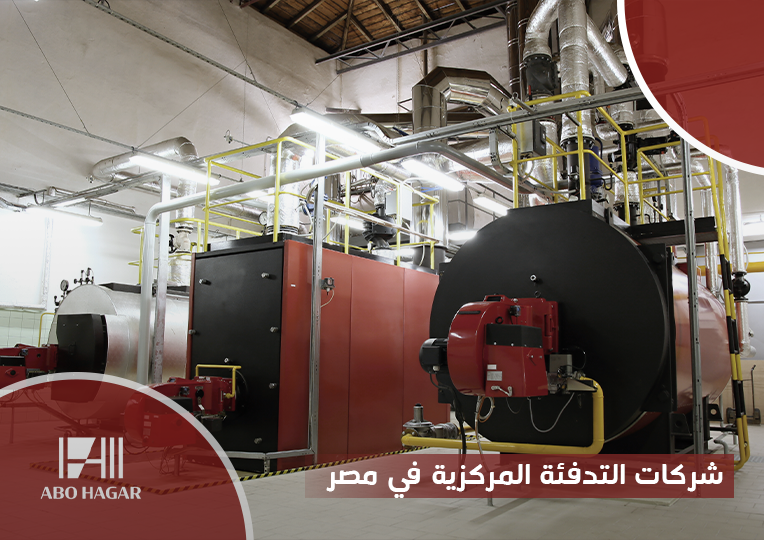
- Smart central boilers: To heat water with extreme energy efficiency.
- Insulated and hidden piping network: It is extended under floors or inside walls during foundation.
- Luxury warming units: These include slim European steel panel radiators, invisible underfloor heating grilles, or Warm Home decorative hobs with their high-temperature resistant glass.
This water system from Abu Hajar guarantees you a balanced distribution of warmth starting from the bottom to the top, with the ability to independently control each room, maintaining air humidity and oxygen purity at 100% without any chaos or noise.
Ventilation Systems
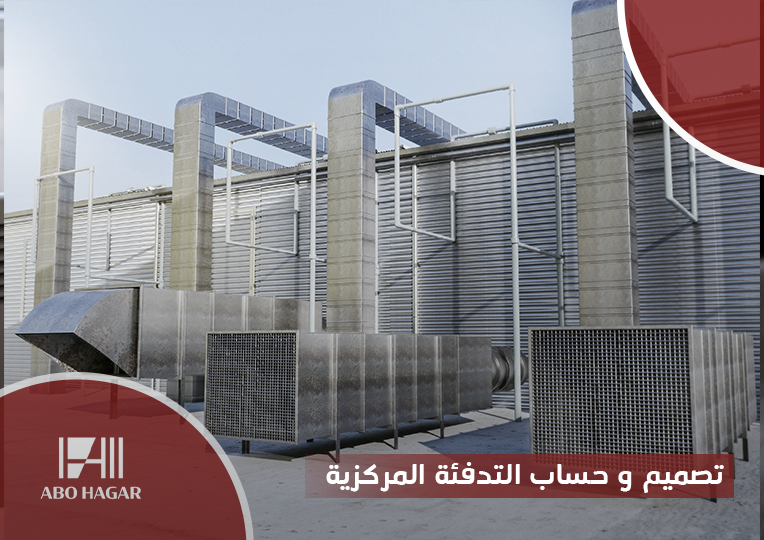
It is the real lung of the building; Ventilation systems in buildings replenish oxygen and expel moisture and odors. It consists of air handling units (AHUs) that include fans and filters to purify the air, in addition to a network of ducts, distribution channels, and exhaust fans. This slit contributes to the continuity of the building's air conditioning and ventilation engineering and protecting it from dust and allergens.
In high-end villas, these systems are combined with climate control solutions to obtain a completely stable indoor environment. With the modern architectural trend towards tightly insulated buildings, building air conditioning and ventilation engineering has become an absolute necessity to protect indoor air quality and prevent oxygen suffocation.
Air Conditioning Systems
These components aim to thwart extreme summer heat by drawing out excess moisture and cooling the indoor air by relying on central refrigeration and air conditioning or split units. Despite the high efficiency of these systems in softening the summer atmosphere inside villas and major hotels, relying on them as the only solution throughout the year oppresses the winter experience. Because summer cooling requirements are physically and health-wise different from winter heating requirements, which require a humid and silent environment.
Intelligent climate control systems
In heating, ventilation and air conditioning, thermostats and control systems are concerned with operating the entire system according to ambient settings and conditions, transforming the user’s desires and environmental factors into intelligent operational commands. The brains of climate control systems are:
- Thermostat: Programmable devices monitor ambient air temperature and control system operation based on preset degrees.
- Intelligent control systems: Allows you complete remote control via phone, automates operation, and intelligently adapts to your family's daily usage patterns.
This precise control ensures you only operate equipment when actually needed, preventing heat waste and achieving the most economical operating efficiency for your home around the clock.
Protect your family and home from confusion over random heating decisions. Contact the engineering team in Abu Hajar now to book your completely free field inspection of your villa, and start developing a clear and thoughtful engineering measurement.
Types of HVAC systems used in homes and buildings
The technical options are varied and numerous when designing HVAC systems to suit the architectural requirements, spaces, and aesthetic vision of each luxury residential or commercial project. HVAC systems are architecturally classified into:
1. Split HVAC Systems
Split systems (such as conventional concealed and split systems) are the most common; It consists of internal units (which include the routers) and external units (which include the condenser).
- Advantages: Flexible system sizes, easy to install, and provides excellent summer cooling coverage for open spaces in villas.
- Ideal applications: Houses, apartments, and medium-sized commercial spaces.
From a physical and health standpoint, it is important to realize that central heating and cooling systems are not always designed to operate with the same efficiency within a system; Turning on the heating mode during the winter may result in dry air coming out that causes a feeling of discomfort, and may negatively affect allergy sufferers, in addition to high energy consumption compared to dedicated heating systems.
2. Packaged HVAC Systems
Unlike split systems, packaged units (such as packaged central air conditioning) contain all the mechanical components in one massive outdoor unit that is usually mounted on a roof and pumps air through hidden ducts.
- Advantages: Complete saving of internal space, ease of maintenance, assembling components in one place, and ensuring a high-end aesthetic appearance.
- Ideal applications: Large villas, small commercial buildings, and spaces with internal boundaries.
3. Mini-Split HVAC Systems
It consists of an external condenser and one or more internal units to handle the air without the need for a complex duct network.
- Advantages: Energy efficient, easy wall mounting, while providing limited individual control in certain areas.
- Ideal applications: Older homes without ducts, new apartments, or room additions.
4. Hybrid HVAC Systems
Combines the efficiency of an electric heat pump with the superior reliability of furnaces; It automatically switches between gas and electric heating based on the outside temperature.
- Advantages: Intelligent cost optimization and dynamic switching based on weather fluctuations.
- Ideal applications: Areas with large temperature fluctuations.
5. Geothermal HVAC Systems
The Earth's stable heat is exploited through a network of pipes buried deep in the soil and a heat pump to exchange energy and provide heating, cooling and hot water.
- Advantages: They are extremely environmentally friendly and reduce utility bills in the long run, but their initial cost can be high.
- Ideal applications: Sustainable projects in areas with stable global temperatures.
6. Variable refrigerant flow HVAC systems (VRF HVAC Systems)
It relies on Fremon directly as the heat medium, and allows variable and independent flow of refrigerant to multiple indoor units at the same time.
- Advantages: Excellent energy efficiency, and very precise control of the temperatures of different areas to prevent energy waste.
- Ideal applications: Luxury residential projects, hotels, and major administrative buildings.
Central heating systems with hot water
While previous systems rely entirely on moving air or chillers to manage the indoor climate, a hot water central heating system remains the ideal engineered, most hygienic and most luxurious solution for high-end villas looking for true winter luxury.
Here, the exclusive and strongest specialization of Abu Hajar Company emerges; The company does not concern itself with selling summer air conditioners, but rather employs its full engineering capacity to design and implement the finest European winter solutions based on a smart central boiler and a dedicated hydrothermal network that includes:
- Steel Panel Radiators: Ultra-slim and elegant wall-mounted Italian and European radiators emanate quiet warmth by natural radiation without burning oxygen.
- Underfloor Heating Systems: Advanced pipe networks, completely hidden under marble or parquet, give you ideal physical thermal distribution (warmth starts from the bottom at the feet and slowly rises to the top).
- Modern decorative heaters (Warm Home Fireplaces): Charming fireplaces designed with fine wood frames (MDF) and high-temperature resistant glass, combining the efficiency of gas heating with the beauty of a luxurious classic look with 100% safety and security.
Connect now with experts Abu Hajar For your personalized consultation and book your free field engineering inspection.
Energy efficiency in heating, ventilation and air conditioning systems
Energy efficiency has become the defining criterion and the main pillar when selecting and designing modern HVAC systems, especially with the continuous rise in energy and utility operating costs. Efficiency does not stop at the consumption of a single piece of equipment, but rather is linked to the quality of the engineering design of the entire system, the thermal insulation of the building, and the selection of appropriate devices for the real loads.
Energy efficiency is achieved in the different parts of the heating, ventilation and air conditioning system as follows:
- In the cooling sector (AC): Efficiency depends on Inverter and VRF technologies that adjust the compressor speed based on actual need, which prevents electrical waste in the summer.
- In the ventilation sector: Energy recovery systems (ERV & HRV) are used that exchange heat between exhaust air and incoming fresh air, to reduce the heat load on air conditioners.
- In the heating sector: Here the huge geometric difference appears; Relying on operating traditional air conditioners in the hot part in the winter exhausts the mechanical compressor and raises electricity bills sharply as a result of the decrease in the efficiency of heat exchange in cold weather. In contrast, water systems based on condensing boilers are considered the cheapest and most sustainable solution. Because it recovers a large portion of the heat lost in the exhaust gases and reuses it, which achieves the highest possible fuel utilization.
Why are central heating systems an essential part of modern HVAC solutions?
Although the HVAC concept includes heating, ventilation and air conditioning, the heating sector needs specialized solutions that achieve stable and healthy warmth during the winter. Therefore, central heating systems have become an ideal choice for buildings looking for balanced heat distribution and higher efficiency compared to traditional heaters or temporary solutions.
Features of modern central heating systems:
-
Providing quiet and homogeneous heating for all rooms of the house or project.
-
Rely on radiators or underfloor heating for better heat distribution.
-
The possibility of integrating smart control systems to adjust the temperature and reduce energy waste.
-
Maintaining users' comfort without having to move heating devices between rooms.
-
Design the system according to the needs of the place to achieve the best performance and operational efficiency.
The role of Abu Hajar in achieving the economic equation
Abu Hajar Company comes to provide the strongest link in the winter energy conservation system for the year 2026, by providing smart hydraulic central heating solutions equipped with Smart ERP conservation technologies. These engineered solutions guarantee you huge savings of up to 60% on gas and energy consumption compared to electric heating and air conditioning methods, completely protecting your budget throughout the cold months.
HVAC applications in homes and major projects
Heating, ventilation and air conditioning systems are used in a wide range, and the choice of system engineering varies depending on the nature of the building, the density of users, and varying thermal loads:
HVAC systems in residential buildings
Designed to provide stable and healthy thermal comfort with ease of control, and operate at smaller capacities compared to other installations. Their options include split systems, ductless systems, and built-in systems. In villas and large homes, the design of HVAC systems allows spaces to be divided into independent zones (zoning) to control the temperature of each room individually, which improves comfort and improves operating efficiency.
HVAC systems in commercial buildings
Commercial environments (such as offices, hotels, and stores) require systems capable of handling large spaces, long operating hours, and constantly changing visitor numbers. It relies architecturally on systems such as VRF, cooling chillers and central water air conditioning, with the possibility of dividing spaces to ensure efficient performance in various parts of the building.
HVAC systems in industrial buildings
In factories, data centers, and laboratories, these systems are focused on serving manufacturing requirements and protecting equipment to a greater degree than the convenience of individuals. They are specifically designed to maintain precise and stringent temperatures and humidity levels, handle very high thermal loads and intense 24-hour ventilation requirements in demanding operating conditions.
Ultimately, the HVAC system represents the comprehensive and modern concept of indoor climate management for buildings, but it consists of completely different disciplines that need separate engineering expertise for each part. While traditional air conditioning systems are concerned with cooling and ventilation during the summer months, obtaining real, healthy, and sustainable warmth during the harsh winter cold requires turning to specialized expertise in designing and implementing water heating systems.
Here, the role of Abu Hajar Central Heating is highlighted as a technical leader specialized in bringing luxury European heating solutions to high-end villas and homes, as the company guarantees you an integrated system that combines architectural luxury, absolute safety, and economic operating efficiency.
Contact us directly via phone or WhatsApp to request a free field technical inspection, and ensure healthy and economical winter warmth with a real guarantee for a full 5 years.
Frequently asked questions
Answers about this article and related topics.
Yes; Because air conditioning only cools indoor air, while proper HVAC system design requires the integration of a mechanical ventilation network to expel stale air and introduce fresh, filtered air that protects people's health.
Air conditioning focuses only on cooling the air in the summer, while the HVAC system is a comprehensive engineering concept that combines heating, ventilation, and air conditioning together to ensure heat control, oxygen renewal, and healthy warmth in the winter.