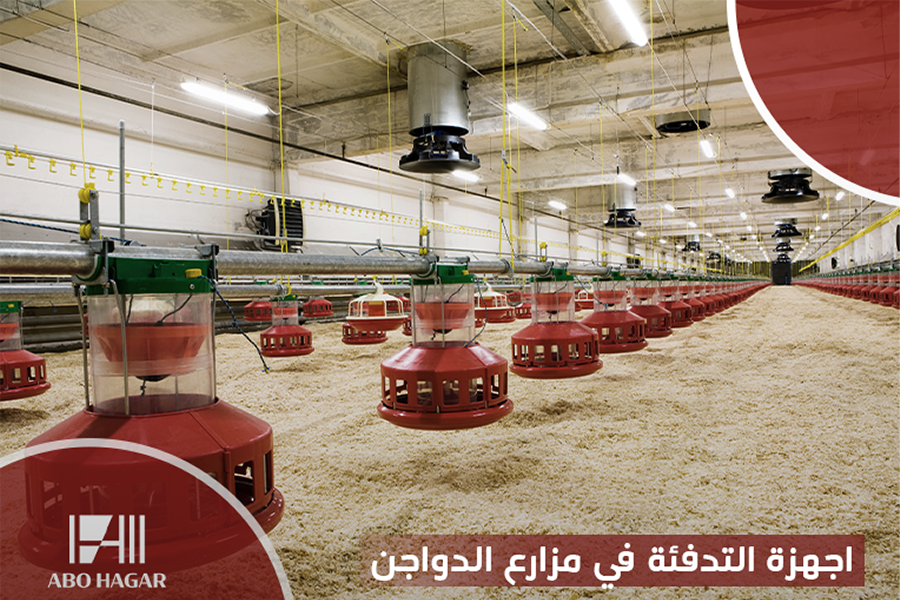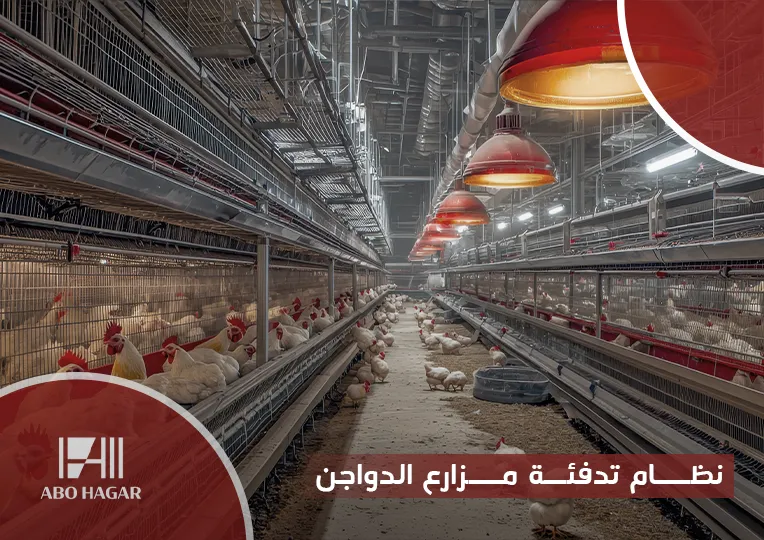
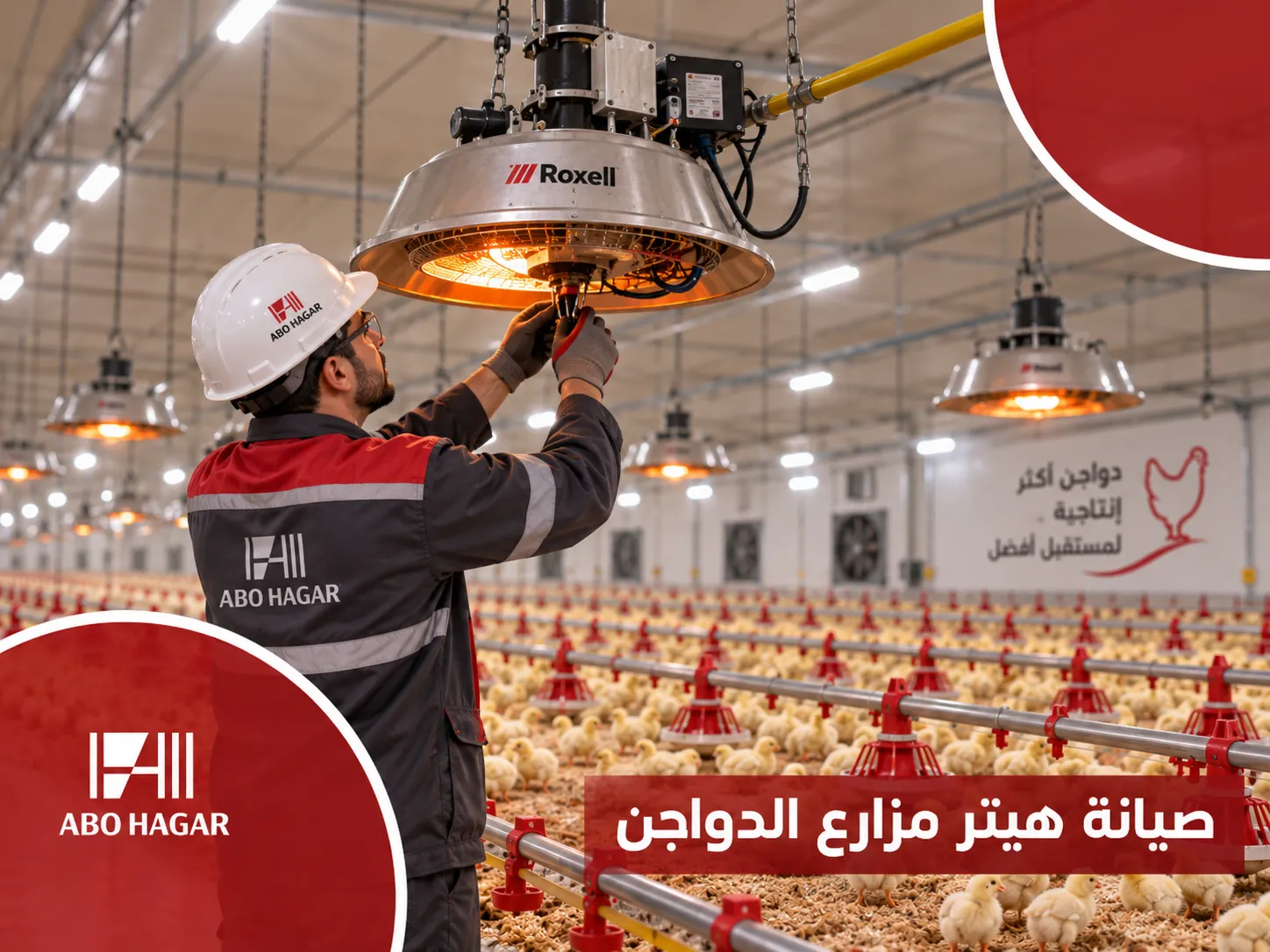
Maintaining poultry farm heaters helps preserve heating efficiency and minimize breakdowns, ensuring stable temperatures and a suitable environment for poultry growth.
Poultry farms require consistent and reliable heating systems to maintain precise environmental conditions within farm poultry houses, especially during cold weather spells. Regular poultry farm heater maintenance is crucial to preserving thermal efficiency and avoiding sudden equipment breakdowns that disrupt production cycles.
Routine heater maintenance goes far beyond fixing emergency failures; it encompasses systematic inspections, deep component cleaning, early fault diagnosis, and operational fine-tuning—maximizing the heating unit's lifespan and maintaining steady performance.
In this guide, we review key maintenance procedures, common technical issues, preventive care benefits, poultry heater categories, Egyptian market prices, selection criteria, and the top maintenance providers in Egypt.
What Do Poultry Farm Heater Maintenance Services Include?
Poultry heater maintenance involves targeted technical procedures designed to evaluate equipment condition, clean core components, verify safety mechanisms, and fine-tune temperature control systems.
Key Maintenance Tasks:
- Comprehensive Inspection: Verifying mechanical components, structural integrity, and overall operational safety.
- Burner & Housing Cleaning: Clearing soot, dust, and debris accumulations from burners, casings, and heat exchangers.
- Hose & Connection Checks: Testing fuel lines, fittings, and connectors for leaks and tight seals.
- Sensor Calibration: Inspecting thermal sensors and ensuring they are mounted at the correct height relative to the flock.
- Ignition System Audits: Testing spark plugs, electronic ignition modules, and startup sequences.
- Gas Pressure Regulation: Measuring inlet gas pressure and manifold pressure on gas-fired heaters.
- Mounting & Height Adjustment: Confirming proper heater suspension height for even thermal distribution.
- Post-Service Run Testing: Monitoring live unit operation after servicing to ensure balanced heat delivery.
Executing these technical tasks requires experienced HVAC technicians familiar with agricultural heating technologies. Abu Hajar Company offers turnkey maintenance programs and expert technical evaluations to keep your farm heaters operating at peak efficiency.
Common Faults in Poultry Farm Heaters
Continuous operational demands, dust-heavy environments, and component wear can trigger performance failures that compromise indoor climate control.
Frequent Technical Issues:
- Blower Fan Failures: Fan motor breakdowns or reduced airflow output due to debris buildup.
- Heating Element Defects: Damaged heating coils or igniters failing to generate adequate thermal output.
- Thermostat & Controller Errors: Malfunctioning control boards or faulty sensor readings leading to temperature swings.
- Filter & Duct Clogging: Dust buildup restricting combustion air intake or heat distribution.
- Ignition Sequence Failures: Intermittent sparking or gas valve pilot failure.
- Gas Line & Hose Leaks: Worn seals or damaged hoses in gas heating units.
Promptly addressing these failures prevents costly downtime. Contact Abu Hajar Company for rapid diagnostic support and expert equipment repairs.
Importance of Regular Preventive Maintenance
Waiting for a heater to break down before calling for service increases operational risks and repair costs. Periodic maintenance delivers distinct advantages:
- Stable Thermal Output: Maintains consistent ambient temperatures during critical growth phases.
- Early Problem Detection: Identifies worn components before complete system failures occur.
- Clean & Efficient Combustion: Prevents dust buildup from reducing fuel combustion efficiency.
- Uninterrupted Operations: Prevents unexpected winter heating shutdowns.
- Seasonal Readiness: Ensures heaters are fully operational ahead of cold season transitions.
- Extended Service Life: Reduces overall depreciation and extends component longevity.
- Optimized Fuel Consumption: Keeps power and fuel use within engineered specifications.
Types of Poultry Farm Heaters
Heating systems differ by energy source, heating capacity, and airflow distribution method. Maintenance requirements vary according to equipment type:
- Gas Heaters: Utilize natural gas or LPG to deliver rapid, high-capacity heat for large poultry houses.
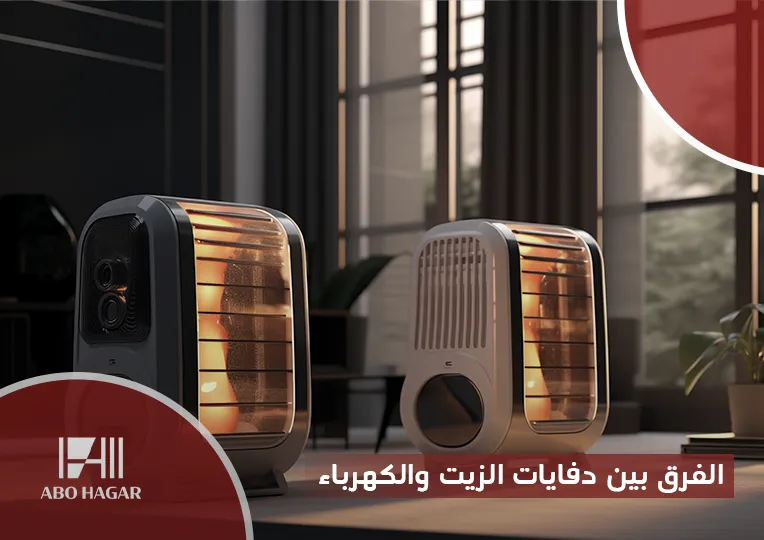
- Electric Heaters: Use electrical resistance elements; clean, easy to control, and ideal for brooding areas.
- Diesel/Solar Oil Heaters: High-capacity combustion heaters designed for large-scale industrial farming units.
- Thermal Air Heaters (Space Heaters): Forced-air systems that circulate warm air uniformly across the entire barn floor.
- Ceramic Radiant Heaters: Emit focused radiant heat directly to localized brooding zones without heating empty overhead space.
Poultry Farm Heater Prices in Egypt
Poultry farm heater prices in Egypt start from 3,000 Egyptian Pounds (EGP) for basic units. Total system costs depend on key technical parameters:
- Heater Type & Fuel Source: (Gas, Electric, Diesel, Thermal Air, or Ceramic).
- Thermal Output (BTU/kW): Sized according to barn square footage and total volume.
- Facility Dimensions: Square footage, wall height, and insulation quality.
- Hardware Build Quality: Casing materials, burner origin, and electrical component ratings.
- Quantity Required: Number of units needed for complete coverage.
- Installation & After-Sales Service: Mounting setup, piping, and warranty packages.
- Brand & Origin: European, German, or local assembly standards.
Contact Abu Hajar Company today for accurate pricing estimates tailored to your farm's layout.
How to Choose the Right Poultry Heater
When selecting a poultry heater for sale, look beyond initial hardware prices and consider long-term operating demands:
- Match Thermal Capacity to Barn Size: Calculate total required BTU/kW output based on volume and bird capacity.
- Assess Utility Infrastructure: Choose gas, electric, or diesel models based on available fuel lines and electrical supply.
- Evaluate Air Distribution: Ensure the heater design promotes balanced airflow without creating cold spots or direct drafts.
- Verify Build Quality: Ensure components are sealed against dust, humidity, and corrosive barn environments.
- Check Spare Parts Availability: Confirm long-term access to replacement parts, igniters, and thermal sensors.
- Select User-Friendly Controls: Opt for units that interface easily with automated climate control systems.
Why Choose Abu Hajar Company for Heater Maintenance?
Selecting a specialized maintenance provider protects your equipment investment and maintains uninterrupted barn climate control. Abu Hajar Company is a trusted industry leader in Egypt, providing complete thermal engineering support.
Our Key Advantages:
- 15+ Years of Industry Experience: Specialized in agricultural heating systems and thermal solutions since 2010.
- Turnkey Services: Full support covering system design, equipment sales, installation, preventive care, and emergency repairs.
- Expert Technical Teams: Trained technicians specializing in diagnosing complex combustion and control faults.
- European & German Technology: Built-in reliability utilizing high-grade imported components.
- 35%–60% Energy Efficiency: Systems designed to reduce fuel consumption and lower operational costs.
- Original Spare Parts Stock: Direct access to genuine European replacement parts for rapid servicing.
- Custom Design: Tailored heating layouts engineered for specific barn architecture rather than generic setups.
- Comprehensive After-Sales Support: Dedicated technical assistance and full warranty coverage.
Keep your poultry farm heating systems running at peak performance. Contact Abu Hajar Company today to consult with our engineering team and schedule professional maintenance services for your farm.
Frequently asked questions
Answers about this article and related topics.
Poultry farms require heater maintenance whenever there is a drop in heating efficiency or a change in the unit's performance; periodic inspections are essential to detect malfunctions and operational issues early, particularly before periods of intensive use.
The frequency of periodic maintenance varies depending on the heater type, usage rate, and operating conditions; however, it is advisable to inspect heater components daily—checking the integrity of heating elements, fans, control systems, and power or gas lines. Additionally, the unit and filters should be cleaned weekly to remove dust, feed residue, and debris, while thermostats and thermal control systems require monthly calibration. These practices help detect issues early, minimize unexpected breakdowns, and preserve the heater's efficiency and operational lifespan.
Yes, inspection and maintenance procedures vary depending on the power source, design, and components of each unit; an electric heater requires checks of connections, heating elements, and control systems, whereas gas heater maintenance involves inspecting the fuel source, connections, ignition systems, and related operational components.