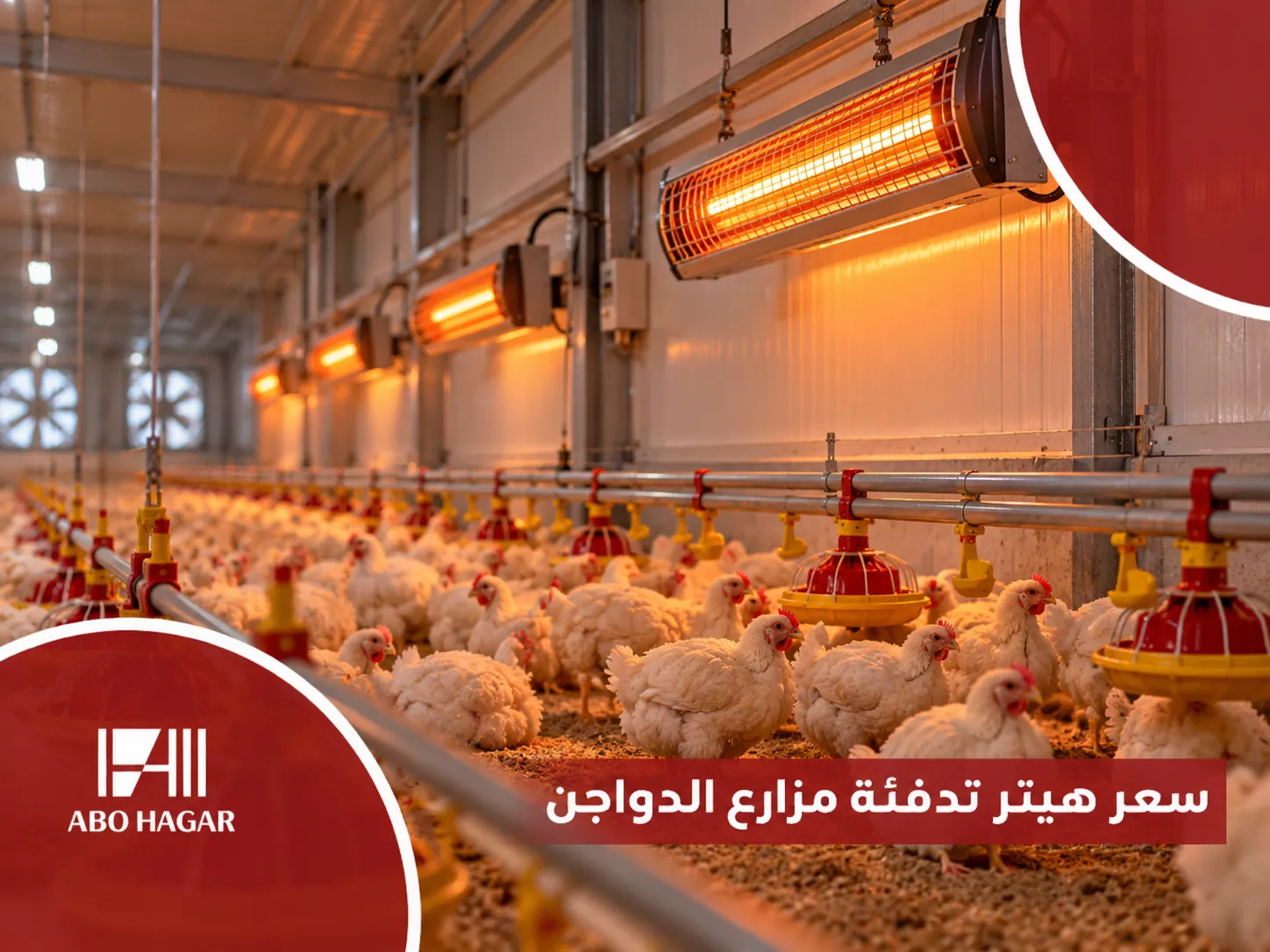
Learn about the price of poultry farm heaters and the factors influencing it, so you can choose a suitable heating system that ensures efficiency and safety within the farm.
As the need for poultry farms to maintain appropriate and stable ambient temperatures inside barns continues—especially during cold periods—selecting the right heating system becomes an essential step in safeguarding flock comfort and operational efficiency. Consequently, farm owners are increasingly searching for the prices of poultry farm heaters and comparing different types based on capacity, operating mode, and running costs.
In this article, we will examine poultry farm heater prices, the factors influencing these costs in Egypt, and the key differences between various poultry heating options, such as electric heaters, diesel heaters, and gas heaters. We will also cover how to select a suitable thermal heater for poultry, best practices for safe and efficient heater operation, and the role of Abu Hajar Company in providing high-quality poultry farm heaters at competitive prices. Keep reading to learn more.
How Much Does a Poultry Farm Heater Cost?
Poultry farm heater prices in Egypt vary significantly depending on the device type, technical specifications, and operating mechanism. Prices for certain electric poultry farm heaters start from 3,000 Egyptian Pounds (EGP), while the costs of other heating systems fluctuate according to their features, capacity, and overall specifications.
To get an accurate price quote for a poultry farm heater tailored to your facility's exact needs, contact us at Abu Hajar Company. Share your farm details and heating requirements, and our team will help you identify the ideal heater in terms of type and capacity, along with transparent cost estimates aligned with your operational needs.
Factors Influencing Poultry Farm Heater Prices
The variation in poultry farm heater prices stems from differences in power sources, thermal capacities, manufacturing quality, control systems, and specific farm requirements.
Key factors affecting poultry farm heater pricing include:
- Power Source & Type: Electric, gas, or diesel systems.
- Thermal Capacity: Overall output and coverage area matching the barn size.
- Heating Efficiency: Uniform heat distribution and temperature stability.
- Advanced Features: Thermostatic controls and automated management settings.
- Build Quality & Durability: Material resilience against harsh farm environments.
- Accessories & Spare Parts: Component quality and availability of original spare parts.
- Brand & Country of Origin: Manufacturer reputation and European/international origin.
- Company Support: Professional installation, technical support, and post-sales service.
Because these factors directly impact long-term fuel/power consumption and system durability, evaluating specifications rather than upfront price alone is crucial. At Abu Hajar Company, we assist you in determining the right heating setup with clear specification and pricing breakdowns.
Types of Poultry Farm Heaters
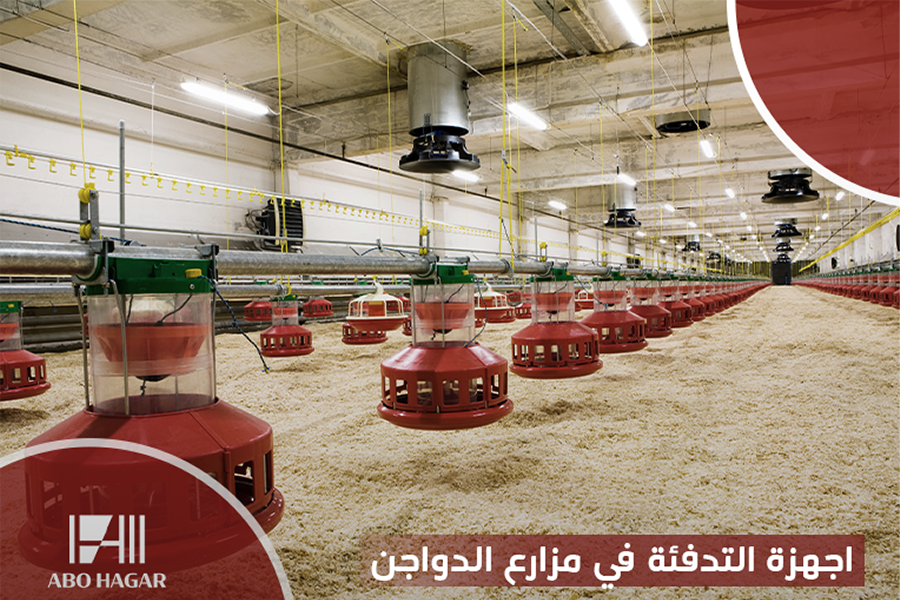
Selecting the right poultry heater depends on barn dimensions, power availability, and heating goals. The main types available include:
1. Electric Poultry Farm Heaters
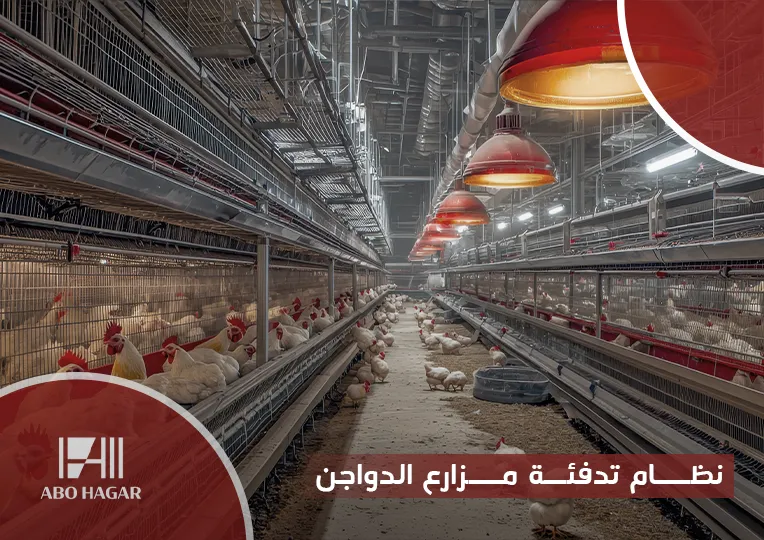
Electric heaters convert electrical power directly into heat. They are widely used for localized heating during the brooding phase, where young chicks require a stable and close heat source during their first weeks.
- Pros: Easy operation, precise temperature control, clean heat output.
- Considerations: Running costs can increase when operating over long periods in large barn spaces.
2. Gas Poultry Farm Heaters
Gas heaters utilize natural gas or propane to generate thermal energy. They can be deployed as localized radiant heaters or as centralized heating systems for uniform air distribution across the entire space.
- Pros: Highly effective heat generation for medium-to-large poultry houses.
- Considerations: Requires proper ventilation and regular pressure line checks.
3. Diesel Poultry Farm Heaters
Diesel heaters rely on liquid fuel combustion to produce forced warm air inside the barn during severe cold spells.
- Pros: Strong heating capacity for wide spaces without relying on high electrical loads.
- Considerations: Requires monitoring air quality, fuel supply, and thermal distribution.
At Abu Hajar Company, we provide multiple poultry heating solutions complete with supply, installation, and maintenance services to guarantee long-term stability.
Tips for Getting the Best Poultry Farm Heater Price
When searching for poultry farm heaters for sale, balancing upfront purchase cost with long-term efficiency is key. Consider the following tips:
- Set a Realistic Budget: Align purchase plans with actual facility needs and capacity requirements.
- Calculate Operating Costs: Factor in energy consumption (electricity/gas/diesel) alongside the unit price.
- Check Installation & Parts Costs: Inquire about setup fees, routine maintenance, and replacement components.
- Avoid Unnecessary Features: Choose specifications that deliver required results without paying for unused extras.
- Evaluate Warranty & Support: Include post-sales service, warranty length, and technical backup in your total value calculation.
How to Choose the Right Poultry Farm Heater
To choose the optimal heater for your poultry operations, evaluate the following criteria:
- Barn total area, ceiling height, and required thermal capacity.
- Available fuel or electrical power infrastructure.
- Airflow design and uniform heat distribution capability.
- Thermostat precision and automated temperature regulation options.
- Material durability and resistance to dust and humidity.
- Availability of local technical support and original spare parts.
Our specialists at Abu Hajar Company analyze your farm's layout to recommend tailored heating configurations, taking the guesswork out of system selection.
Best Practices for Safe and Efficient Heater Operation
Proper installation and routine maintenance preserve equipment lifespan, minimize energy consumption, and ensure flock health during critical rearing stages:
- Pre-heat the Barn: Turn on heating systems prior to chick arrival to bring the entire barn space and litter to target temperatures.
- Monitor Flock Behavior: Observe bird distribution; crowding under heaters indicates cold temperatures, while scattering away suggests excessive heat.
- Maintain Balanced Ventilation: Ensure adequate air exchange to manage moisture and gases while preventing unnecessary heat loss.
- Routine Cleaning & Inspections: Clear dust build-up from heating elements and inspect wiring, fuel lines, and sensors regularly.
- Schedule Preventive Maintenance: Fix minor issues before peak winter periods to avoid system failures.
Why Choose Abu Hajar Company for Poultry Heating Solutions?
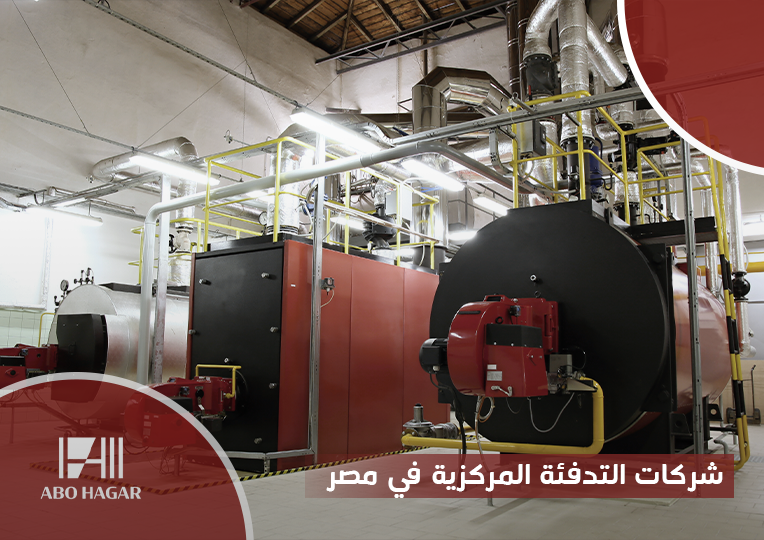
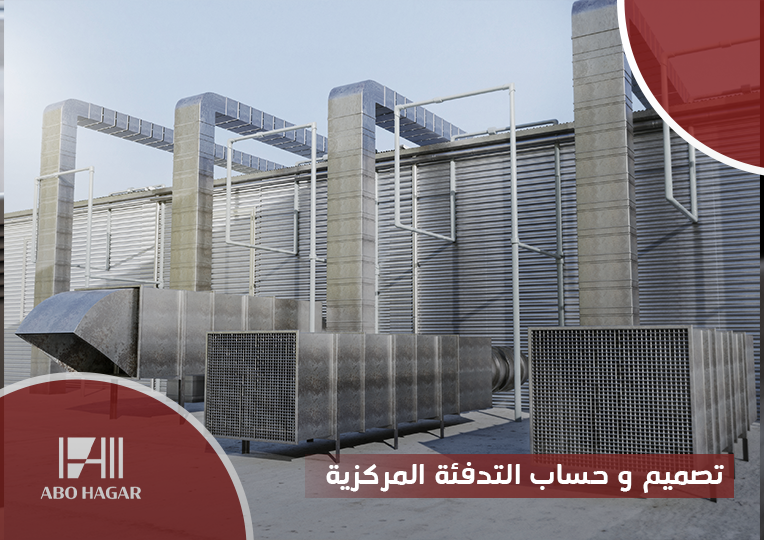
Abu Hajar Company specializes in advanced heating solutions and central heating systems, delivering engineered thermal setups tailored to agricultural and commercial needs.
Why partner with us?
- Extensive Industry Experience: Over 15 years of specialized expertise in thermal engineering and heating systems (since 2010).
- European & German Technology: Authorized agents and suppliers for leading global brands such as DemirDöküm and Warmhaus.
- Turnkey Services: Complete end-to-end support covering consultation, system design, supply, installation, and commissioning.
- Energy Efficiency: Advanced designs engineered to reduce fuel/gas consumption by up to 35%–60% compared to traditional systems.
- Genuine Spare Parts & Warranties: Complete availability of original components backed by official product warranties.
- Dedicated After-Sales Care: On-call technical support and scheduled preventive maintenance services.
Ready to Upgrade Your Poultry Farm Heating?
Contact Abu Hajar Company today to discuss your project details. Our engineering team will guide you to the right heater type, capacity, and estimated cost for your farm.
Frequently asked questions
Answers about this article and related topics.
Poultry farm heaters require periodic maintenance to maintain efficiency and minimize the risk of breakdowns; they should also be inspected if reduced heating performance, increased energy consumption, or any abnormal operational changes are observed.
Yes, the temperature of poultry farm heaters can be controlled using appropriate control systems and thermostats; this helps adjust the heating level according to the poultry house's requirements and maintains stable temperatures during operation.
The number of heaters required to heat poultry farms varies depending on the size of the poultry house, heater capacity, the required temperature, and the heat distribution method; therefore, the appropriate number is determined after assessing the farm's needs and the heating capacity of each unit.